Shining Brilliance: Unveiling the World of SI1 Clarity Diamond
Summary
Welcome to our sparkling corner of the internet, where we resume our journey through the captivating realm of SI1 diamonds from our previous blog. This time, we will dive deep into exploring the mesmerizing beauty and allure of SI (Slightly Included) diamonds.
What Does SI1 Clarity Mean?
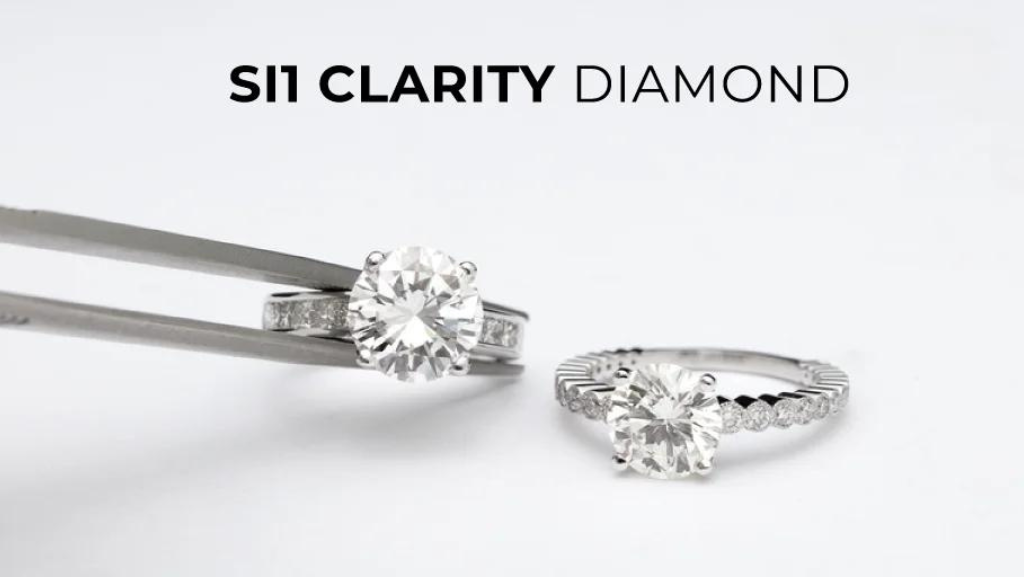
SI1 diamond clarity means the diamond has slight inclusions that are visible under 10x magnification, but generally not visible to the naked eye. SI1 is a specific clarity grade within the diamond grading system.
It stands for Slightly Included 1 and is a term used to describe the level of internal characteristics or inclusions present in a diamond. The clarity grade of a lab diamond refers to the extent to which it has internal or external flaws that can affect its overall appearance and brilliance.
Seeing Clearly: How to Determine Eye Clean SI1 Diamonds
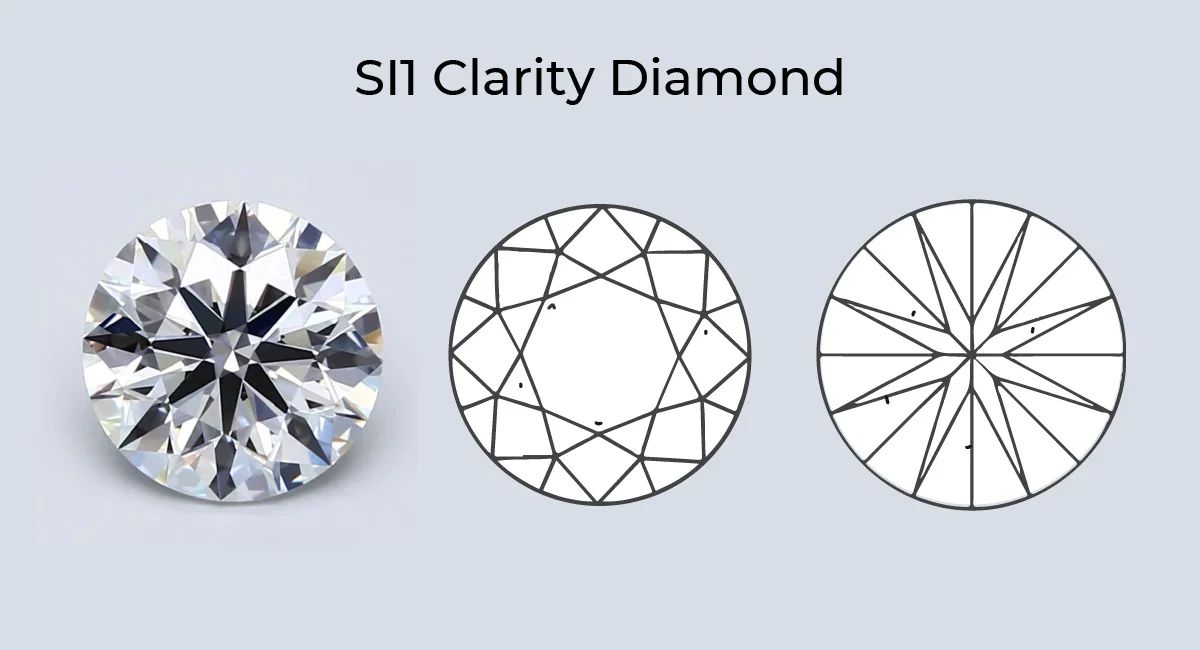
Review the clarity grading system: Familiarize yourself with the diamond clarity grading system, including the “Slightly Included” (SI) category and the subcategory of SI1.
Understand the definition of SI1 clarity: SI1 diamonds have slight inclusions that are visible under 10x magnification to a trained grader. The key here is that these inclusions are generally not easily noticeable to the naked eye.
Look for additional descriptors: When researching or evaluating an SI1 diamond, pay attention to any additional descriptions provided by the jeweler or seller. They may use terms like “eye-clean” or “visually clean” to indicate that the lab diamond appears free from noticeable inclusions when viewed without magnification.
Unlocking the Value: Exploring the Price Range of SI1 Diamond Clarity
SI1 clarity diamond: SI1 diamonds are generally more affordable compared to higher clarity grades. However, the price can still fluctuate depending on other factors.
Diamond G color SI1 clarity: The color grade of a diamond also plays a role in determining its price. A G color diamond, which is considered near colorless, will typically be more expensive than lower color grades.
Diamond color D clarity SI1: Diamonds with a color grade of D are considered the highest grade on the color scale, indicating exceptional colorlessness. When paired with SI1 clarity, the diamond’s price may increase due to the premium associated with a colorless stone.
SI1 diamond price: The si1 diamond price can vary significantly depending on the other characteristics mentioned above. As a general guideline, you can expect SI1 diamonds to range from a few hundred dollars to several thousand dollars per carat, with larger stones commanding higher prices.
Generally, SI1 clarity prices can start from $250 and go up to several thousand dollars.
Price confusion you can use our diamond pricing calculator to determine the right price for your lab grown diamond and elevate your diamond shopping experience by using a promo code.
Why Choose GIA Certified SI1 Clarity Diamonds
Choosing GIA certification guarantees an impartial assessment by industry experts. GIA’s rigorous standards and esteemed reputation enhance the reliability of its certificates. When acquiring an SI1 clarity diamond, the inclusion of a GIA certificate substantiates the stone’s quality and authenticity, instilling confidence in the purchase.
GIA clarity grades, from highest to lowest:
- Flawless (FL)
- Internally Flawless (IF)
- Very Very Small Inclusions (VVS1)
- Very Very Small Inclusions (VVS2)
- Very Small Inclusions 1 (VS1)
- Very Small Inclusions 2 (VS2)
- Small Inclusions 1 (SI1)
- Small Inclusions 2 (SI2)
- Inclusions 1 (I1)
- Inclusions 2 (I2)
- Inclusions 3 (I3)
As you can see, SI1 diamond clarity is closer to the bottom. SI1 diamond is not exactly the best choice when it comes to diamonds. The clarity of a diamond depends mainly on inclusions. The type, cut, size, and amount of inclusions can make any diamond beautiful or unfit for jewelry.
Even a high-clarity diamond might have some imperfections. It’s rare to find a lab diamond without any flaws. So it would be beneficial if you are looking for a diamond that is eye-clean and will look good on your jewelry.
When assessing whether an SI1 diamond is eye-clean or not, it is important to consider the specific characteristics of the stone. Here are some steps to keep in mind.
Crystal Clear Choices: Essential Tips For Buying SI1 Clarity Diamonds
Understand SI1 clarity characteristics: Familiarize yourself with the definition of SI1 clarity and its slight inclusions visible under 10x magnification. Remember that these inclusions are generally not easily noticeable to the naked eye, making SI1 diamonds a popular choice for balancing quality and budget.
Prioritize eye-cleanliness: Look for keywords like “eye-clean” or “visually clean” when searching for an SI1 diamond. These descriptors indicate that the diamond appears free from noticeable inclusions when viewed without magnification. Request detailed images or videos to personally assess the lab grown diamond’s eye-cleanliness.
Consider the color grade: If color is important to you, focus on SI1 diamonds with higher color grades such as G color or even colorless grades like D. This combination of SI1 clarity and a desirable color grade can enhance the overall appearance of the diamond.
Now that you have a better understanding of what to consider when choosing an SI1 diamond, it’s time to embark on your search! Choose diamonds from hundreds of styles on Loosegrowndiamond.
Conclusion
Alas, SI1 diamonds offer a balance between quality and affordability, with slight inclusions that are generally not visible to the naked eye. They provide an attractive option for budget-conscious diamond buyers. And if you opt for lab grown SI1 diamonds, you will get the best deal there is in the market!
Frequently Asked Questions
Is SI1 diamond clarity good?
SI1 clarity is considered good as it strikes a balance between quality and affordability.
Are SI1 clarity diamonds bad?
SI1 clarity diamonds are not considered bad; they are a popular choice for those seeking value without compromising on appearance.
What is the difference between an SI1 and SI2 clarity grade?
The difference between SI1 and SI2 clarity grades lies in the visibility and severity of the inclusions, with SI1 having slightly fewer and less noticeable inclusions.
Do SI1 diamonds sparkle?
SI1 diamonds can sparkle beautifully when well-cut and have good light performance.
Is SI1 diamond clarity good for engagement rings?
SI1 clarity diamond is a good option for engagement rings, as long as the specific diamond is eye-clean and meets your desired criteria.
Clarity, Knowledge Base, Value

Chris Galey
Taylor Swift Engagement Ring: Story of…
August is the month of celebrities announcing their engagements, and one more has been added…

A Guide to Choosing Hypoallergenic Jewelry…
Have you ever noticed red, itchy skin appearing right after putting on new earrings or…
How to Choose the Best Marquise…
When it comes to choosing an engagement ring, everyone wants it to be special, timeless,…
Popular Posts

Recent Posts