Can You Scratch a Diamond? Discovering About Their Durability
Summary
Diamonds have always been known for their unmatched durability, quality, and elegance. They are considered one of the hardest materials on Earth, scoring 10 on the Mohs scale of hardness.
This indestructible feature of diamonds makes them a symbol of forever love. However, it is a common curiosity among people: can you scratch a real diamond? In this article, we will explore the reality behind the diamond’s actual hardness, whether they can really be scratched, and what factors harm the diamond. Let’s get into the details.
Understanding Diamond Hardness
The hardness of any material is measured by the Mohs scale of mineral hardness. The hardness of a diamond determines how resistant they are to scratching. The diamond scores 10 on the Mohs scale, which is the highest possible score.
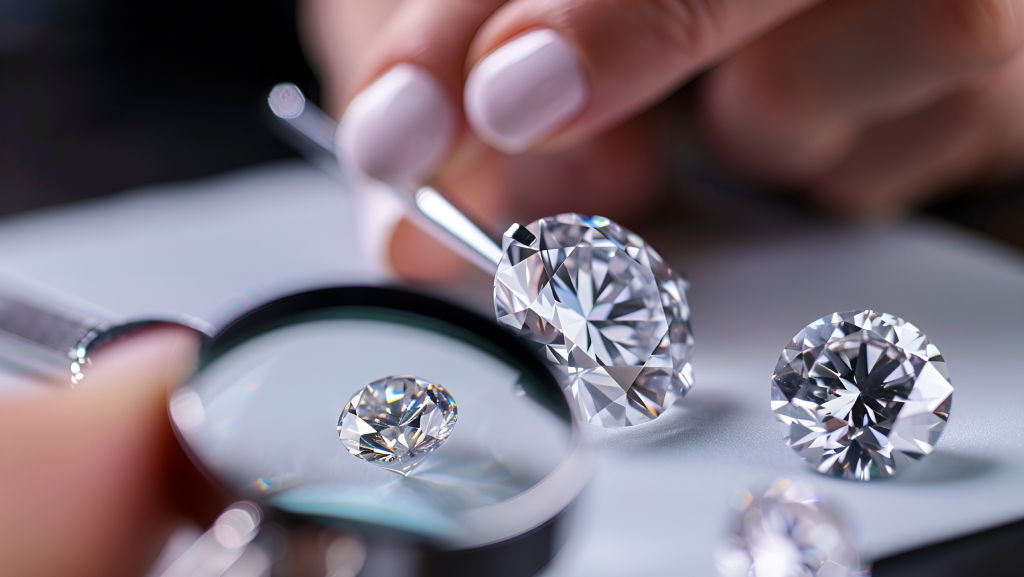
Measuring the hardness of diamond is significant to understand how it will react to any sharp objects and how durable they are. The extreme hardness of diamond is due to the tightly bonded carbon atoms creating a strong and rigid structure.
Can Diamonds Get Scratched?
While diamonds are the hardest material, they are not completely indestructible. A diamond’s hardness refers to being resistant to scratches, but they can be prone to the risk of breaking or chipping.
The answer to the question, Can you scratch a diamond? Is that it can only be scratched by another diamond or material with equal hardness.
However, a diamond can face minor surface damages, chipping of corners due to improper handling, storage, and low maintenance. Loose Grown Diamond is the best option for buying diamonds.
Some Factors That Can Harm a Diamond
Despite being considered one of the toughest substances, diamonds are not untouched by damage. There are some factors that can affect the diamond over a long time due to wear and tear. Below are some of the points to consider to maintain the brilliance and shine of the diamond forever.
Store Separately
Diamonds can scratch any other diamond jewelry. To avoid getting scratches on the gemstone, it is advisable to store them separately in a soft pouch or compartmented jewelry boxes. This will help in maintaining their shine and keeping them safe for life.
Clean Regularly
Daily wear and tear of diamond jewelry can cause accumulation of dirt, oil, and grime on them, leading to dulling their sparkle. Cleaning them regularly with a mild soap solution and warm water can loosen the dirt. Remove the dirt by gently scrubbing the stone with a soft brush and then pat dry with a soft cloth. Ensure you avoid the use of any harsh chemicals or materials that can damage the stone.
Avoid Impact
As discussed earlier, diamonds are hard, but they are not completely indestructible. Any sudden impact pressure or extreme temperature can weaken the diamond’s edges, causing chipping and fracture on them. It is better to remove diamond jewelry while practicing any physical activity like sports, weightlifting, swimming, or gardening.
Regular Inspections
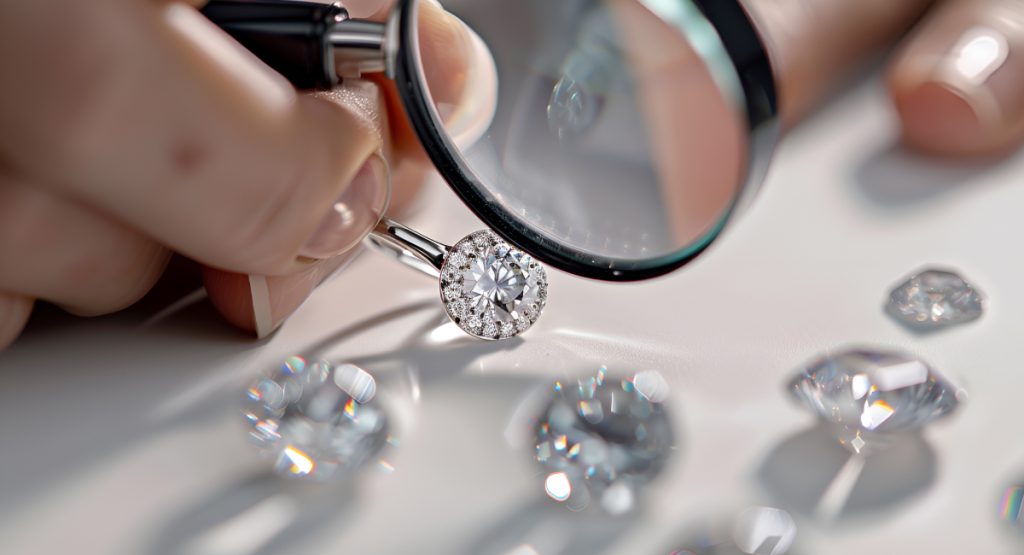
Ensure you conduct regular inspections of your diamonds by a professional jeweler. These inspections can help to identify any loose settings or minor damages, if there are any, to avoid any further damage. It is advisable to go for frequent inspections at least every six months.
Use Protective Settings
A well-designed and protective setting can help keep them in place and prevent the risk of losing them. Some of the famous and secure settings, like Bezel, Halo, and Pave settings, provide protection, expanding the lifespan of a diamond, and also add some extra elegance to your jewelry.
What Is The Myth About The Durability Of Diamonds?
The most common myth about a diamond’s durability is that they are not destructible. Diamonds are a highly durable substance, but they are still prone to damage under certain serious conditions.
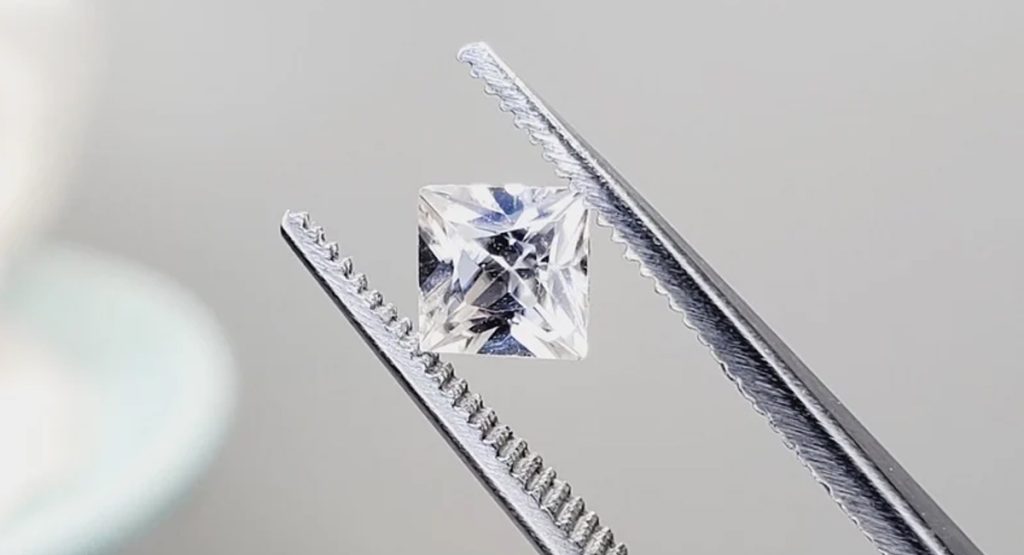
Diamonds are able to tolerate scratches from other materials but are vulnerable to sudden immense pressure, extreme temperature, and scratches from a diamond itself. Understanding these myths can help in taking proper care of your precious gemstone.
How To Protect Diamonds from Damage
Protecting your diamond requires consistency and systematic care. Follow the below-mentioned tips to understand the proper methods to maintain your gemstone:
- Proper storage is one of the most important tips to follow. Keep your diamonds separate from other jewelry to avoid scratches.
- Regular cleaning with a soft brush and warm water solution can maintain shine.
- Avoid wearing diamond jewelry while doing any physical activities.
- Check for any loose settings that can be a risk of damage. If there are any, get them repaired with professional assistance.
- It is best to opt for secured settings like Bezel and Halo, providing extra protection and enhancing the overall look.
Conclusion
Diamonds are one of the hardest natural materials and highly resistant to scratches. However, it is not completely indestructible and can be prone to scratches or damage due to certain critical conditions. A sudden impact, improper storage, or weak settings can be factors in the damage of a diamond.
It is crucial to understand how to care for your diamond, ensuring its longevity and maintaining the sparkle. By following some of the basic and preventive measures, like regular cleaning, proper storage, frequent inspections, and opting for a secure setting, you can keep your diamond flawless forever.
FAQs
Can a real diamond be scratched?
A real diamond can only be scratched by another diamond or a substance with similar hardness as mined diamonds. However, poor maintenance and handling can make them prone to chipping.
Is it okay to wear a diamond every day?
Yes, with proper care and maintenance, one can wear diamonds every day. Diamonds have high hardness on the Mohs scale, which makes them daily wearable.
Can daily wear cause scratches on a diamond?
While diamonds are often considered a hard material, making them scratch-proof, wearing them daily can cause some scratches that are visible under a microscope.
What is the only thing that can break a diamond?
Despite being the hardest material on Earth, sometimes diamonds get brittle. A little high pressure on it can cause it to risk chipping, especially from the sharp planes.
Knowledge Base, Lab diamond

Chris Galey

Taylor Swift Engagement Ring: Story of…
August is the month of celebrities announcing their engagements, and one more has been added…

What Diamond Shape Looks Bigger for…
Choosing an engagement ring is one of the most important and meaningful decisions of your…

A Guide to Choosing Hypoallergenic Jewelry…
Have you ever noticed red, itchy skin appearing right after putting on new earrings or…
Popular Posts



Recent Posts